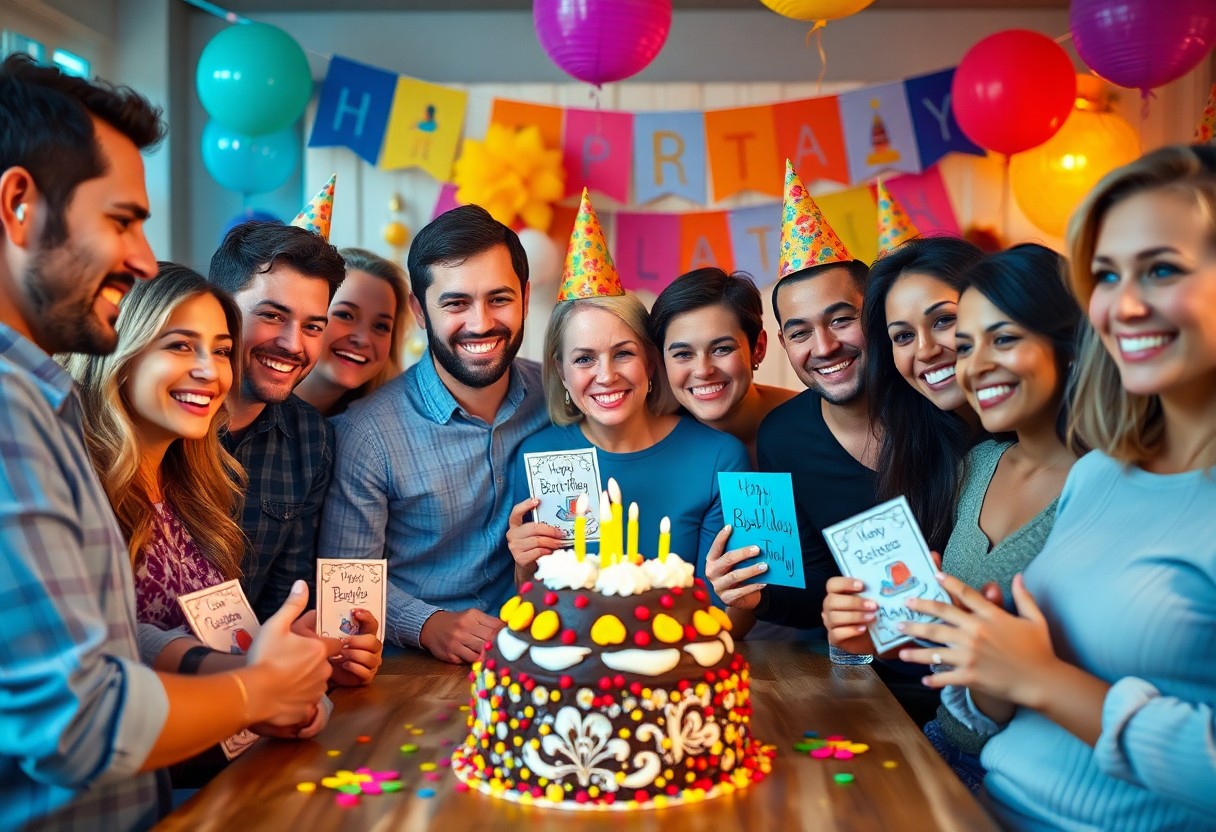
Just understanding your target audience can drastically enhance your birthday marketing efforts. By segmenting your audience, you can tailor your campaigns to meet the specific needs and desires of different groups, ensuring that your message resonates. This approach not only improves engagement but also increases the chances of conversions. When you customize promotions, offers, and communications, you create a more personal experience that fosters customer loyalty and enhances brand perception. Dive into the world of audience segmentation and discover how it can elevate your birthday marketing strategy to new heights.
Key Takeaways:
- Target audience segmentation allows for personalized marketing efforts, enabling businesses to tailor their messages and offers specifically to different demographics and interests.
- By analyzing customer data, businesses can identify key trends and preferences within their audience, leading to more effective and engaging birthday promotions.
- Implementing segmented marketing strategies can enhance customer loyalty and increase the likelihood of repeat engagement, as customers feel valued and understood through targeted communications.
Understanding Target Audience Segmentation
A comprehensive understanding of target audience segmentation is crucial for optimizing your birthday marketing strategy. This approach involves dividing your potential customers into distinct groups based on shared characteristics. By doing so, you can tailor your marketing messages to meet the specific needs and preferences of each segment, thereby increasing your effectiveness and efficiency in reaching your audience.
Definition and Importance
Around 70% of marketing efforts fail due to a lack of targeted messaging. By defining target audience segmentation, you can identify unique customer groups, allowing you to create personalized campaigns that resonate. This fosters a deeper connection with your audience, enhances brand loyalty, and ultimately drives sales during special occasions like birthdays.
Key Segmentation Criteria for Birthday Marketing
Any successful birthday marketing strategy hinges on understanding the key segmentation criteria. You can categorize your audience based on demographics, such as age and gender, psychographics that define their interests, or even behaviors related to past birthday purchases. This allows for a more precise approach to your marketing efforts.
This segmentation can significantly influence your marketing strategy. For instance, targeting specific age groups enables you to tailor your offers to align with their interests and preferences. Knowing your audience’s spending habits allows you to create enticing birthday packages, promotions, or exclusive discounts that resonate with them. Additionally, by understanding psychographics, you can identify emotional triggers that drive birthday celebrations, allowing for more effective messaging. Implementing these criteria can lead to enhanced engagement, improved conversion rates, and ultimately a more profitable birthday marketing strategy.
Birthday Data Collection Methods
Any successful birthday marketing strategy begins with effective data collection. By employing various methods, you can gather necessary insights about your customers’ preferences and habits, allowing for more tailored birthday offerings. Utilizing both traditional and digital channels can help you create comprehensive profiles that inform your marketing tactics and enhance customer satisfaction.
Customer Relationship Management (CRM) Systems
Collection of customer data is made seamless through robust CRM systems. These platforms enable you to gather valuable birthday-related information, such as dates and preferences, which can be organized and analyzed to improve your marketing strategy. By consolidating this data in one place, you can easily customize your birthday campaigns based on individual customer needs.
Social Media and Digital Touchpoints
On today’s digital landscape, social media and various online touchpoints provide you with ample opportunities to capture birthday data. By engaging with users through contests, polls, or special birthday offers, you can encourage them to share their birthday information while enjoying your brand experience.
Media platforms serve as fantastic tools for gathering birthday data directly from your audience. By creating engaging content that resonates with your followers, you encourage them to share personal details, such as their birthdays, for exclusive rewards. This method not only boosts engagement but also allows you to reach a wider audience and tailor your marketing approaches to suit varying demographic needs. Nonetheless, be mindful of user privacy and ensure transparent communication regarding how their data will be used to maintain trust.
Segmentation Strategies for Birthday Marketing
Unlike a one-size-fits-all approach, effective birthday marketing relies on targeted segmentation strategies that can greatly enhance your campaign’s success. By focusing on specific customer groups, you ensure your messaging resonates more deeply, driving engagement and increasing the likelihood of conversion. Tailoring your promotions based on segmented data allows you to celebrate your customers’ special day in a way that feels personalized and meaningful.
Demographic Segmentation Approaches
For birthday marketing, demographic segmentation can be a powerful tool. By categorizing your audience based on age, gender, income level, or location, you can craft messages that cater specifically to their unique preferences and needs. This targeted approach allows your marketing efforts to align more closely with the audience’s desires, making your birthday promotions more effective.
Behavioral and Purchasing Pattern Analysis
Above all, analyzing customer behavior and purchasing patterns can provide you with deep insights into how to engage your audience effectively. By examining past purchase history and interaction with your brand, you can identify what types of birthday products or promotions appeal most to different segments of your audience.
Plus, leveraging behavioral and purchasing pattern analysis enables you to personalize your marketing efforts even further. By segmenting your audience according to their past interactions, you can deliver targeted promotions that speak directly to their interests. Utilizing data analytics allows you to forecast peak times for purchasing, ensuring your campaigns are timely and relevant. This strategic approach not only boosts customer satisfaction and loyalty but also enhances your ROI by focusing efforts on those segments most likely to respond positively to your birthday offerings.
Personalized Birthday Offers
Now that you’ve segmented your target audience, it’s time to focus on crafting personalized birthday offers that resonate with each group. By understanding your audience’s preferences and behaviors, you can design special promotions that feel exclusive and tailored just for them. This personalized touch not only enhances customer satisfaction but also increases the likelihood of conversion, transforming a simple birthday greeting into a powerful marketing opportunity that strengthens brand loyalty.
Tailoring Incentives by Customer Segment
Before implementing your birthday marketing strategy, assess the unique characteristics of each customer segment. By customizing your incentives, such as discounts, freebies, or exclusive products, you can appeal directly to their interests and purchasing habits. This ensures that your offers not only attract attention but also engage the customer’s loyalty, making them more likely to take action during their special month.
Timing and Delivery Optimization
To maximize the effectiveness of your birthday offers, consider the timing and delivery methods you employ. Send out your promotions at the right moment, ideally close to the recipient’s birthday, to create a sense of urgency and excitement. Utilize multiple channels—email, social media, or even physical mail—to reach your audience where they are most active. This strategic approach enhances the likelihood of engagement and ensures your message doesn’t get lost in the noise of everyday promotions.
Offers should be carefully timed to arrive in your customers’ inboxes or mailboxes just before, on, or immediately after their birthdays. This ensures they feel special and motivates them to act, especially within a limited time frame. You can also use data analytics to fine-tune your delivery schedule, identifying patterns in when your audience is most responsive. Leveraging your insights will not only make your offers more effective but also enrich the overall customer experience by showing your responsiveness and awareness of their preferences.
Multi-Channel Birthday Marketing Implementation
Not all birthday marketing strategies are created equal; effectively reaching your target audience requires a multi-channel approach. By integrating various platforms, you can maximize your efforts and ensure that your message resonates with different segments. Tailoring your marketing tactics for each channel helps you engage your audience better, leading to increased loyalty and sales.
Email Marketing Campaigns
Above all, email marketing campaigns allow you to deliver personalized birthday messages directly to your audience’s inbox. By segmenting your email list based on customer preferences and past interactions, you can create targeted offers and messages that feel special and relevant, significantly improving your engagement and conversion rates.
Social Media and Mobile Engagement Strategies
Behind the scenes, social media and mobile strategies play a vital role in reaching your audience where they spend most of their time. You can leverage these channels to create engaging content, share special promotions, and interact with followers, driving a stronger connection with your brand.
And using effective social media and mobile engagement strategies can transform your birthday marketing campaigns. By utilizing interactive posts, such as birthday polls or contests, you not only increase visibility but also encourage customer participation. Furthermore, utilizing targeted ads on platforms like Facebook and Instagram can help you reach specific demographics aligned with your birthday promotions. Stay mindful of the importance of timely responses to customer interactions on social media, as this fosters a sense of community and enhances customer loyalty, ultimately benefiting your brand in the long run.
Measuring Birthday Marketing Success
Once again, assessing the effectiveness of your birthday marketing strategy is important for continual improvement. By analyzing various metrics, you can determine how well your campaigns are resonating with your target audience, allowing you to make informed decisions moving forward. Knowing your successes and areas that need attention ensures that your marketing efforts yield positive outcomes, driving engagement and customer loyalty.
Key Performance Indicators
Before venturing into the numbers, it’s vital to establish specific Key Performance Indicators (KPIs) that will help you track the effectiveness of your birthday marketing campaigns. These indicators could include metrics like engagement rates, conversion rates, and customer retention rates. By having clear KPIs in place, you can pinpoint what aspects of your strategy are working and what needs refinement.
ROI Analysis and Optimization Techniques
By performing a thorough ROI analysis, you can assess the financial success of your birthday marketing initiatives while identifying optimization techniques that may enhance performance.
Measuring your investment’s return allows you to see where funds are best allocated for maximum impact. To optimize your strategies, focus on analyzing customer feedback, monitoring campaign costs, and identifying the most effective channels. Consider testing different promotional offers and measuring their results to refine your approach. By continuously adjusting your tactics based on solid data, you can ensure that your birthday marketing efforts drive both customer satisfaction and profitable outcomes.
Conclusion
With this in mind, targeting your audience through segmentation can significantly enhance your birthday marketing strategy. By understanding the unique preferences and behaviors of different groups within your customer base, you can tailor your promotions and messaging to resonate more deeply, resulting in higher engagement and increased sales. Effective segmentation allows you to create personalized experiences that not only attract but also retain your clients, ensuring that your birthday campaigns stand out and drive lasting connections with your audience.
Q: What is target audience segmentation and why is it important for birthday marketing?
A: Target audience segmentation is the process of dividing your market into distinct groups of potential customers based on shared characteristics, preferences, or behaviors. In birthday marketing, this practice is vital as it allows businesses to tailor promotions and messaging to resonate with specific audiences. By understanding the different segments, marketers can create more relevant offers that appeal to individual preferences, leading to higher engagement and conversion rates during birthday campaigns.
Q: How can I effectively segment my audience for a birthday marketing strategy?
A: To effectively segment your audience for a birthday marketing strategy, start by gathering data on current customers, including demographic information (age, gender, location), purchasing behavior, and engagement history. Consider utilizing surveys or feedback forms to gain insights directly from your customers. Once you’ve acquired this information, you can categorize your audience into groups, such as age ranges or purchasing preferences. This allows for personalized marketing tactics, such as specific discounts or gift ideas that cater to each segment’s interests, maximizing the impact of your birthday promotions.
Q: What are the benefits of personalized marketing for birthday celebrations?
A: Personalized marketing for birthday celebrations offers numerous benefits, including increased customer loyalty and enhanced customer experience. When businesses send tailored messages or offers that reflect the individual preferences of their customers, it generates a feeling of appreciation and recognition, leading to stronger emotional connections. Furthermore, personalized promotions are more likely to attract attention and drive action, as they meet the specific needs and desires of the audience. Ultimately, this strategy helps boost sales, encourages repeat business, and enhances overall brand reputation.